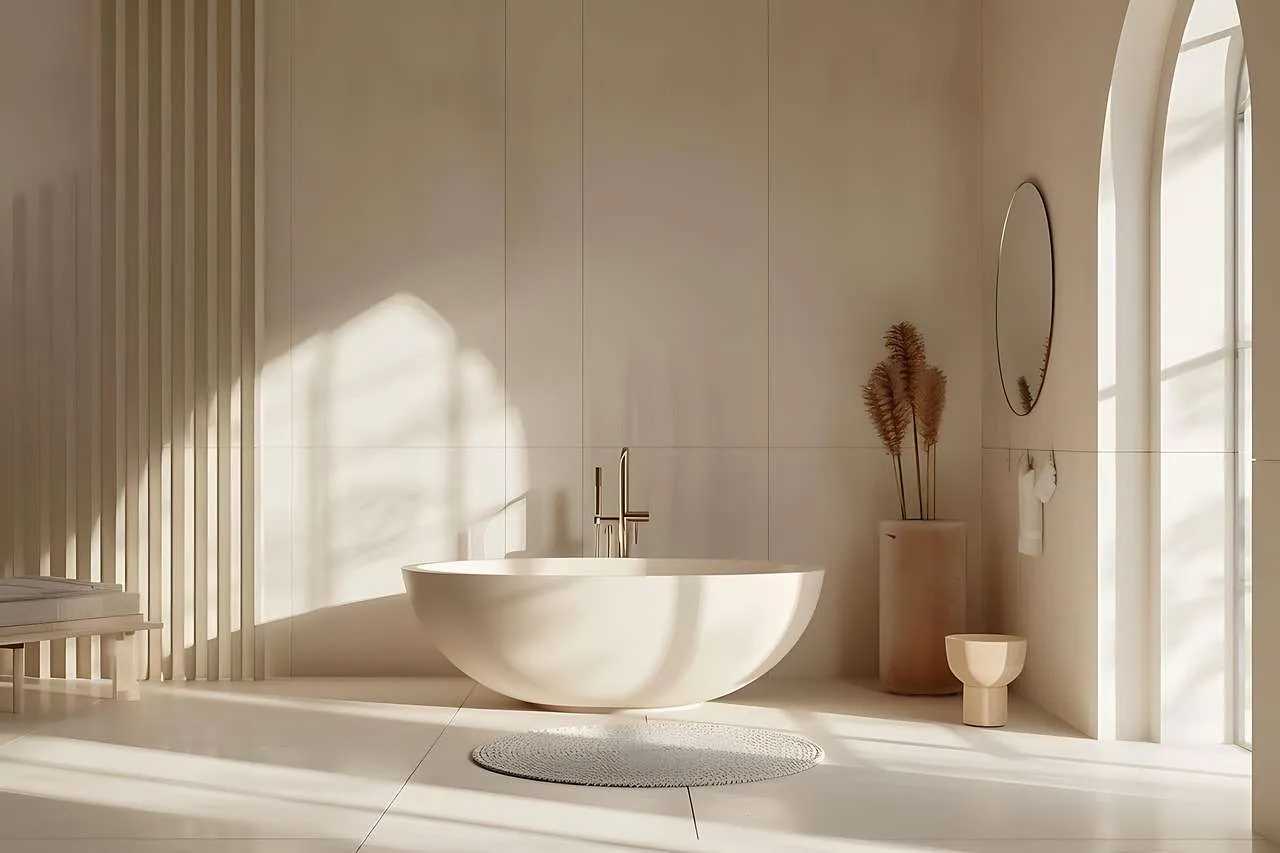
Small bathrooms challenge even talented designers, but they also offer a chance to showcase clever, high-impact ideas. The core of effective small bathroom ideas is to maximize every inch without sacrificing comfort or style. With thoughtful layout, compact fixtures, strategic storage, and well-planned lighting, a tight space can feel far larger than its footprint while remaining highly functional for daily use.
Smart layouts for tiny spaces
Begin with a practical plan that centers on essential zones: toilet, sink, and shower or bath. When possible, position plumbing along a single wall to simplify construction and create continuous floor space that reads as open. Consider a pocket or sliding door instead of a swinging one to preserve usable width. If a door must swing, place the hinge side toward a wall or hallway to minimize disruption to traffic flow.
Plan around compact fixtures
Wall mounted vanity with a shallow basin helps free up floor area, while a wall hung or compact toilet reduces the void behind the bowl, making the room feel airier. Favor rounded edges on sinks and vanities to soften lines and visually expand the space. A slim, high-tillable storage cabinet above the toilet or a recessed medicine cabinet can provide essential storage without crowding the room.
Shower options that open the room
Walk-in showers with clear glass create a continuous line and reflect more light, which visually enlarges the space. Frameless panels enhance openness and make cleaning easier. If a tub is needed, opt for a shallow depth with a glass screen rather than a full surround to keep sightlines long and the floor uncluttered. Consider a curved shower curtain rod or a neo-angle enclosure to maximize usable space in smaller footprints.
Storage strategies that stretch every inch
Vertical storage is your best ally in a small bath. Tall, slim cabinets, floating shelves, and recessed niches keep the floor clear and the room orderly. Use interior drawer organizers and pull-out baskets to maximize every inch of under-sink space. Install a recessed corner shelf in the shower to hold toiletries without encroaching on the floor area. Over-the-door hooks and magnetic bars provide quick access for towels and daily essentials without creating surface clutter.
Niches, organizers, and mirrors
Shower niches eliminate bottle clutter and keep items at hand. A recessed medicine cabinet with a mirrored front doubles as a reflective surface and a storage zone. Use clear or light-filtering organizers inside cabinets to keep items visible and easy to reach, reducing the need to rummage through clutter.
Lighting, color, and materials that amplify space
Light is the most powerful amplifier in a small bathroom. Layer lighting with a bright task light at the vanity, a softer ambient light for general use, and subtle accent lighting to highlight architectural features. Large mirrors or mirrored surfaces increase perceived space and improve daily tasks like shaving or applying makeup. For color, stick to light neutrals or soft pastels; you can introduce personality through textures, accessories, and towels while keeping the space feeling open.
Materials matter as well. Large-format porcelain or ceramic tiles with minimal grout lines reduce visual busyness and make walls feel expansive. Glossy or satin finishes reflect light and simplify maintenance in humid environments. For safety, choose non-slip flooring and grout with stain resistance, which helps keep the bathroom looking fresh with less effort.
Comparison of common layouts
| Layout Type | Best For | Pros | Cons |
|---|---|---|---|
| Walk-in shower with glass | Open, modern look; best in tight spaces | Maximizes perceived space; easier cleaning; brightens the room | Can feel cool in winter; plumbing exposed if not planned well |
| Tub/shower combo | Families; versatility | Bath option; often cost-effective | Takes more room; can appear closed-in |
| Compact vanity with wall storage | Ultra-compact footprint | Keeps floor clear; good for knee space | Limited storage; may require frequent organization |
Practical tips from design best practices
When working on small bathroom ideas, create zones that minimize backtracking. Use color and lighting to emphasize vertical height, not just floor area. Consider moisture-resistant, easy-to-clean finishes that reduce maintenance time. If renovating, invest in quality fixtures that handle daily use and retain value over time. Even minor updates—such as a new vanity, improved lighting, or a larger mirror—can dramatically affect how spacious a bathroom feels.
For homeowners balancing budget and impact, phase the upgrade: start with essentials like storage and lighting, then add a fixture upgrade if needed. Consulting with a professional designer can help tailor the layout to your plumbing, door placement, and electrical constraints, ensuring the design remains practical as well as beautiful.
Conclusion, small bathroom ideas hinge on a cohesive approach that blends layout, storage, lighting, and materials. By choosing compact fixtures, maximizing vertical storage, and embracing reflective surfaces, you can transform a tight bathroom into a stylish, highly functional retreat that supports daily routines and long-term value.